Puppies & Kittens
We help you give your new pet the healthiest possible start. From first vaccines to nutrition and behavior guidance, our team supports you through every milestone in their first year.
We help you give your new pet the healthiest possible start. From first vaccines to nutrition and behavior guidance, our team supports you through every milestone in their first year.
Vaccines and boosters
Wellness exams
Deworming
Spay or neuter
Microchipping
Nutrition guidance
Behavior tips
Teething and dental care
Parasite prevention
Common Questions
Veterinary care for puppies and kittens covers everything your young pet needs in their first year. At Modern Animal, this includes wellness exams, vaccinations, deworming, parasite prevention, and spaying or neutering. Your pup or kitten may also need extra comfort during their first visits to our clinic.
We offer all this and more as a part of our veterinary care for young cats and dogs. Here’s what this covers:
- Wellness Exams: Every kitten or pup you adopt or bring home needs regular wellness checkups. We offer these services to Modern Animal members, so it’s easier to catch problems before they become serious.
- Vaccines and Boosters: To keep young pets safe from preventable diseases, we cover core vaccines like rabies, FeLV, and DAPP in our care for puppies and kittens. We’ll customize the schedule according to your pet’s needs and help you with the boosters, too.
- Deworming: Intestinal parasites are common in young dogs and cats. If they’re not caught and treated on time, they could cause great distress for your pet. Trust our team to test for these parasites and treat them as needed.
- Spaying and Neutering: When your pet reaches the recommended age, we perform spaying and neutering procedures under the right levels of anesthesia. This protects your pup or kitten from certain infections and cancers.
- Microchipping: Losing a young pup or kitten is every pet parent’s fear. At Modern Animal, we offer microchipping services so you can always know where your pet is if they wander off into unfamiliar places.
- Nutrition Guidance: What you feed your young pet in its growing months matters a great deal. Our experienced veterinarians can help you choose the right food and portions, so your puppy or kitten grows into a healthy animal.
- Behavior Tips: Young pets that are adjusting to their new lives may behave in a way that could confuse you. Don’t worry, though, because our primary care experts give you practical advice on managing things like biting or scratching.
- Teething and Dental Care: Puppies and kittens go through a teething phase just like human babies do. It can be a bit uncomfortable for pets, so we’ll help put them at ease and show you the right way to begin dental care for them.
Every young puppy or kitten may require personalized healthcare, but their vaccine requirements are universal. At Modern Animal, our team recommends these core vaccines for young pets.
Core Vaccination for Kittens:
- FeLV Vaccine: Kittens require their first FeLV (Feline Leukemia Virus) shots and subsequent boosters within the first few months. It helps protect against feline leukemia.
- Rabies Vaccine: Unvaccinated cats are susceptible to rabies, which is fatal in 100% of cases. Safeguard your young kitten with well-timed shots and boosters.
- FVRCP Vaccine: This gives your kitten immunity against three serious conditions: feline viral rhinotracheitis, calicivirus infection, and panleukopenia.
Core Vaccination for Puppies:
- DAPP Vaccine (Distemper, Adenovirus, Parainfluenza, Parvovirus): This vaccine, given in the early weeks of your pup’s life, protects it from four different viruses that can cause respiratory or gastrointestinal problems.
- Bordetella Vaccine: With this shot, you keep your pup safe from kennel cough, which is highly contagious and spreads easily among dogs.
- Rabies Vaccine: Also recommended for young pups, this vaccine is the shield your dog needs from the fatal rabies virus.
Our team of professional vets will help you figure out the best vaccination schedule for your kitten or puppy. We’ll also factor in which boosters are needed and when, so you can continue to offer your new pet the best preventative care.
If you’ve just adopted a puppy or a kitten, or brought one home from a shelter or a breeder, you need to give it all the care it needs. There are some key steps you need to take as a new pet parent. Here’s how you can give your puppy or kitten the right kind of support:
- Create a Safe Space: Set up a safe and comfortable area where your young pet can rest. It helps them feel secure in their new home.
- Stick to a Feeding Schedule: Feed your puppy or kitten at the same time daily. Also, give them age-appropriate food, so they develop healthy eating habits.
- Watch for Signs of Illness: Pay attention to any changes in appetite, energy levels, or bathroom habits. Contact us if something doesn’t seem quite right.
- Get a Copy of Previous Medical Records: Obtain a copy of these records from the shelter, breeder, or adoption center from which you brought home your pet.
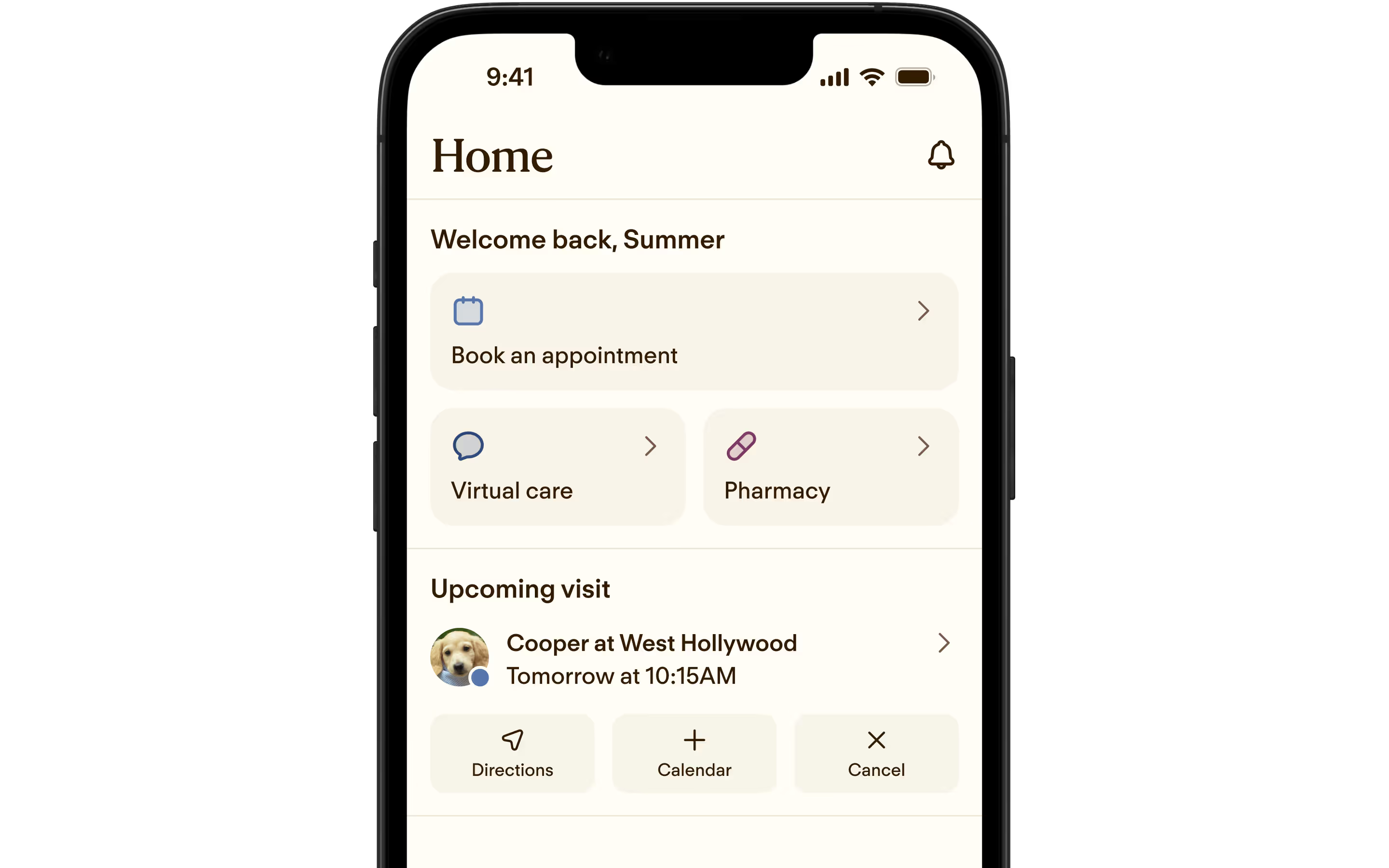
- Keep Up With Vet Appointments: Schedule your pet’s initial appointment with us through the Modern Animal app, and keep up with the follow-up visits, if any.
While these tips can help, we understand that you may have many more questions, especially if you’re a new pet parent, too. That’s why we offer virtual support 24 hours a day. If you’re an All Access or Essential member, you can chat with, phone, or video call our licensed veterinary professionals at any time. We’ll help you understand what your puppy or kitten needs from you.
We recommend scheduling your puppy's or kitten's first vet visit at Modern Animal within the first week of coming home. You should also obtain a copy of their previous medical records from the adoption center, animal shelter, or breeder you worked with. If you have these records on hand, please send them to Modern Animal at records@modernanimal.com or via the in-app chat.
"Neuter" is also called "castration." These are terms used to describe the removal of both testicles so that a male animal can no longer breed. If you have questions about neutering your pet, contact Modern Animal through the app or speak with a Modern Animal veterinarian.
"Spay" is the common term for removing all or part of the reproductive tract of a female animal. Most of the time, the uterus and ovaries are removed. However, sometimes, just the ovaries are removed, depending on the doctor's preference. The result is that the female no longer experiences reproductive cycles and cannot breed. If you have questions about spaying your pet, contact Modern Animal through the app or speak with a Modern Animal veterinarian.
Cats are usually spayed or neutered very young; sometimes as early as 8 weeks of age. For dogs that will be less than 45 pounds, we recommend spaying at 5-6 months of age (before the first heat cycle occurs) and neutering at around 6 months of age.
Larger dogs should be neutered later, preferably after growth stops between 9 and 15 months. This may decrease the risk of some cancers and some bone, ligament, and joint problems that are more common in larger breeds.
Determining the best age for spaying large-breed dogs is a decision that should be made with input from your Modern Animal veterinarian. Spaying at a later age can include some risk factors like an increased risk of mammary cancers and unwanted litters. Spaying at an earlier age, however, can increase the risk of other cancers and bone/joint/ligament issues.
If you are interested in learning more about the benefits and risks of sterilization for your pet, simply send us a message in the Modern Animal app or ask a Modern Animal doctor during your next visit.
Plans and Pricing
We clearly list the cost of the most common services, products, and procedures so you know what to expect.
Meet the team behind the mission.
The only app on your phone with a veterinary degree.