
Table of contents

Key Takeaways
- Storm anxiety is common and treatable, and creating a quiet safe space plus talking to your vet about calming options can make severe weather far less stressful for your pet.
- More pets go missing during and after storms than at almost any other time, so a current microchip and an up-to-date ID tag are your best insurance against losing a pet.
- A ready-to-grab emergency kit and an evacuation plan that includes your pet are essential in Texas, where hurricanes, flooding, and tornadoes can force you to leave home fast.
If you live in Texas, you know the sky can turn in a hurry. One minute it's calm, and the next there's thunder rattling the windows, a tornado warning buzzing on your phone, or a hurricane spinning toward the coast. If you've ever watched your dog shake under the bed or your cat vanish at the first clap of thunder, you already understand that pet safety during storms is its own kind of stress.
Here's the reassuring part: most of what protects your pet comes down to a little preparation and knowing what to expect before the weather turns.
Texas sees more severe weather than almost any state, from spring tornado season up north to hurricane season along the Gulf Coast. Below, our vets walk through what every Texas pet parent should know about keeping pets calm, secure, and safe when a storm rolls in.
Understanding Storm Anxiety in Pets
Pets often react to storms because they sense things we barely register: drops in barometric pressure, the buildup of static electricity, low rumbles of thunder, and sudden changes in light. For many dogs, and some cats, all of that adds up to real fear, and in some pets it becomes a true noise phobia that can intensify over time if it goes unaddressed.
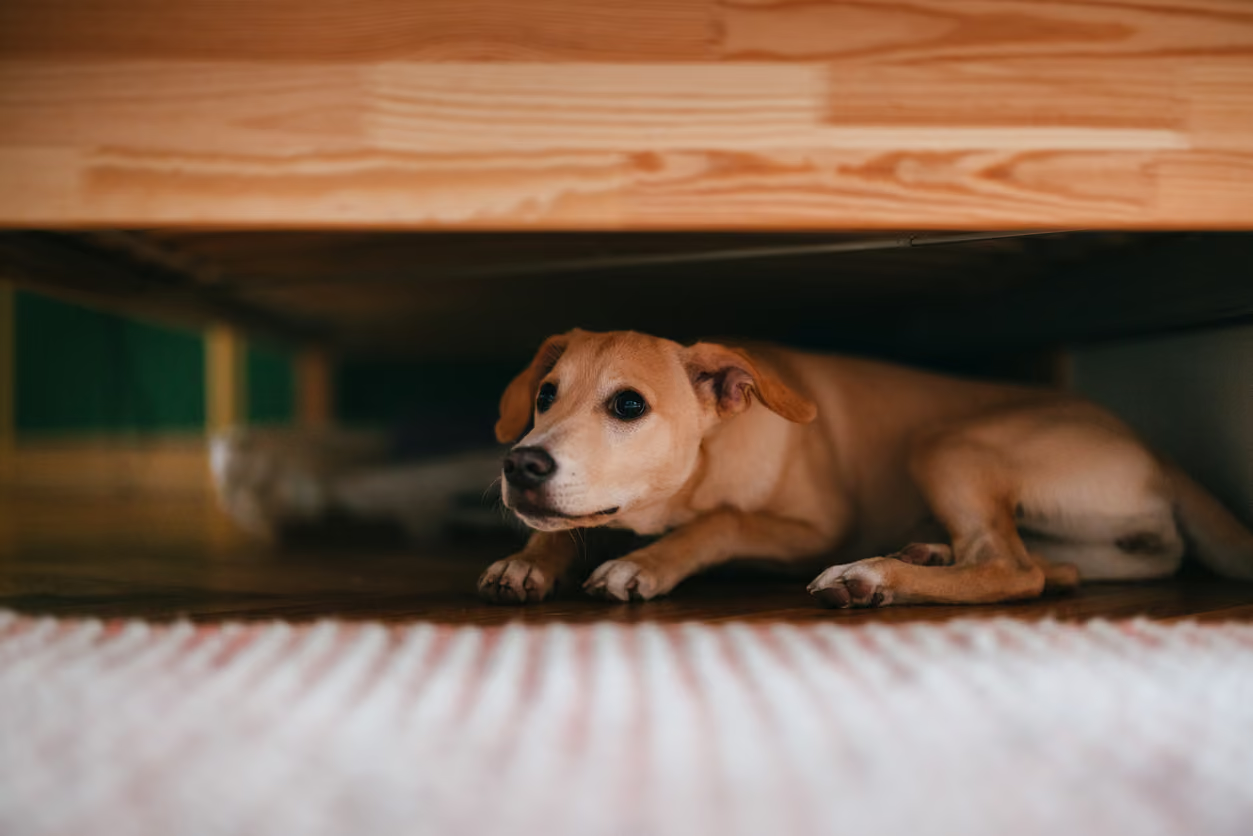
Signs to watch for. Storm anxiety looks different from pet to pet, but common signs include panting, pacing, trembling, drooling, hiding, whining, clinging to you, refusing food, or destructive behavior like scratching at doors. Some pets try frantically to escape, which is exactly where storms and lost pets tend to intersect. If you're seeing these patterns, your pet isn't being dramatic. They're genuinely frightened, and there's a lot you can do to help.
Which pets are most at risk. Any pet can develop storm anxiety, but it shows up more often in dogs than cats, and it can run higher in herding and working breeds, in rescues with unknown histories, and in pets who've had a frightening experience tied to a storm. It also tends to get worse with age if it isn't managed, so paying attention early really does pay off.
Keeping Your Pet Calm During a Storm
Start by giving your pet a quiet, enclosed safe space, stay calm yourself, and don't hesitate to offer comfort. Comforting an anxious pet does not reinforce fear, despite the old myth, so it's fine to sit with them and reassure them. A few approaches tend to help most.
Create a den. Set up an interior room or a covered crate away from windows, with familiar bedding and a favorite toy. Background noise from a TV, a fan, or a white-noise machine can soften the sound of thunder, and closing the blinds cuts down on the flashes of lightning. Some pets settle better in a small, cozy spot like a bathroom or closet, where the walls muffle the noise.
Try calming tools. Snug-fitting pressure wraps (often sold as anxiety vests), pheromone diffusers, and vet-approved calming supplements help many pets take the edge off. For pets with severe storm anxiety, our veterinarians may recommend anti-anxiety medication, which can be a real relief for animals who panic every season.
Start before storm season. If your pet has a history of storm panic, you don't have to wait for the next front to do something about it. Ask your vet about desensitization: playing recorded storm sounds at a low volume during calm, happy moments like mealtime or play, then very gradually turning up the volume over several weeks. The goal is to teach your pet that those sounds predict good things, not danger. Just as important is what to avoid. Don't punish or scold fearful behavior, since that only adds stress, and don't drag a terrified pet out of its hiding spot.
Because storms rarely keep business hours, All Access and Essential members can reach our team through 24/7 virtual care to ask whether a pet's symptoms warrant medication or an in-person visit, even in the middle of the night.
Keeping Your Pet Safe and Found
Storms are one of the most common times for pets to bolt and go missing, so the single best thing you can do is make sure your pet is microchipped with current contact information and wearing an ID tag. A frightened animal can clear a fence, dig under one, or slip out a door it normally ignores.
During severe weather, keep dogs leashed for bathroom breaks even in a fenced yard, and keep cats indoors. Close off escape routes, check that gates and doors latch securely, and be extra mindful of open doors as people come and go. Shelters routinely see a surge in lost pets right after big storms, and a microchip with up-to-date details is what reunites most of them with their families. One detail people miss: a microchip only works if the registration is current, so if you've moved or changed your phone number, update it. A collar-mounted GPS tracker can add another layer of security for determined escape artists. And during an evacuation, the commotion of packing and propped-open doors is its own bolt risk, so secure your pet in a carrier or a closed room before the chaos starts. You can keep your pet's microchip number, vaccination records, and other health information in the Modern Animal app, so the details are easy to find if you ever need them in a hurry.
A pet emergency kit is a single, grab-and-go bag with everything your pet needs for several days away from home. It matters most when hurricanes or flooding force a fast evacuation, whether you're on the coast or inland.
Pack the essentials. Include three to seven days of food and water, collapsible bowls, any medications along with copies of the prescriptions, vaccination and medical records, a sturdy carrier or crate, a leash and harness, waste bags or a small litter setup, and a recent photo of you and your pet together in case you're separated. A comfort item like a familiar blanket helps too.
Don't forget cats and multi-pet households. Cats need their own carrier, ideally one per cat, and a familiar-smelling item can keep them calmer in transit. If you have several pets, label supplies by animal so nothing gets mixed up in a hurry, and check expiration dates on food and medications a couple of times a year so nothing in your kit has gone stale when you actually need it.
Have an evacuation plan. Know in advance which shelters, hotels, or friends' homes will take pets, because not every emergency shelter does. Never leave a pet behind in an evacuation: if a storm makes your home unsafe, it's unsafe for them. Keeping digital copies of your pet's records in the Modern Animal app means you can prove vaccination status at a shelter or boarding facility even if the paperwork got left behind. Hurricane season on the Gulf Coast runs from June through November, so coastal pet parents especially benefit from building this kit before a storm is ever in the forecast.
Storm Risks and Hazards Across Texas
Texas is big enough that the storms you're preparing for depend a lot on where you live, even if the basics of calming and securing your pet stay the same everywhere.
Gulf Coast. Along the coast, from Houston down to Corpus Christi, hurricane season from June through November is the headline risk. The danger here is less about a single scary night and more about evacuation and flooding, so a packed kit and a plan that includes your pet are what matter most.
North and Central Texas. Around Dallas-Fort Worth and through Central Texas, spring brings tornado season and severe thunderstorms, often with large hail and damaging winds. This is where storm anxiety and the urge to bolt tend to show up most, concentrated roughly March through June.
Flooding, almost anywhere. Flash flooding can strike across much of the state, including the Hill Country's flood-prone rivers and low water crossings. Wherever you live, treat fast-moving or standing water as completely off-limits for your pet.
You Can Get Ahead of Storm Season
Beyond fear, Texas storms bring physical dangers, and floodwater sits near the top of the list. Keep pets out of it entirely. Floodwater can hide debris and steep drop-offs, carry sewage and chemicals, and harbor bacteria like leptospirosis, all of which can sicken or injure a pet. Downed power lines, broken glass, and scattered debris are hazards in the hours after a storm, and floods often push snakes and other wildlife into yards and onto trails. Standing water that lingers also breeds mosquitoes, which carry heartworm. Summer storms can also knock out power, and a Texas home without air conditioning heats up fast, which is dangerous for pets. Have a plan for keeping them cool if the lights go out, whether that's a battery fan, plenty of water, or somewhere cooler to ride it out.
During a storm, keep pets indoors and away from windows. Once the weather clears, do a quick safety sweep before letting pets outside: scan for downed lines, sharp debris, chewable storm trash, and any wildlife that washed or wandered in. If your pet is injured, ingests something questionable, or seems unwell after a storm, reach out for care promptly. Members can also use 24/7 virtual care to figure out quickly whether a situation needs an in-person visit.
A note on cost: what you'll pay to help a pet with storm anxiety varies by location and depends on the type of visit, your pet's age and health history, how severe the anxiety is, and whether your veterinarian recommends additional diagnostics or medication. Microchipping, if your pet isn't already chipped, is a separate and typically modest one-time service. For a full breakdown of service and test pricing at Modern Animal, visit modernanimal.com/pricing, where everything is listed transparently so you know what to expect before you come in.
Texas weather is going to do what it does, but pet safety during storms is something you can largely get ahead of. A calm safe space, a current microchip, and a packed emergency kit cover the vast majority of what your pet needs to ride out thunder, tornadoes, and hurricanes with far less fear and far less risk. If your pet struggles with storms, you don't have to figure it out alone. Book a visit at your nearest Modern Animal clinic to talk through a calming plan, or reach our team through virtual care with any questions before the next front rolls in. A little preparation now buys a lot of peace of mind the next time the sky turns dark.
Frequently Asked Questions
Yes. The old idea that comforting an anxious pet reinforces fear is a myth. Sitting with your pet, speaking calmly, and offering reassurance is perfectly fine and often helps them settle.
Give your pet a quiet, enclosed safe space away from windows, add background noise like a fan or TV to mask the thunder, and stay calm yourself. Pressure wraps, pheromone diffusers, and vet-approved calming supplements help many pets, and your vet can recommend medication for severe cases.
For pets who panic every storm season, veterinarians can prescribe anti-anxiety medication that makes a real difference. Talk to your vet first, since the right option depends on your pet's health and how severe the anxiety is.
Make sure your pet is microchipped with current contact details and wearing an ID tag, since storms are one of the most common times pets bolt. Keep dogs leashed for bathroom breaks even in a fenced yard, keep cats inside, and double-check that doors and gates latch securely.
Pack three to seven days of food and water, bowls, medications with copies of the prescriptions, vaccination and medical records, a carrier, a leash and harness, waste supplies, and a recent photo of you and your pet together. Keep it ready to grab before storm season starts.
Wait and check the area first. Floodwater can carry bacteria, chemicals, and debris, and storms often leave behind downed power lines, broken glass, and displaced snakes. Walk dogs on a leash and scan your yard before letting pets roam.
Yes, though they tend to hide rather than pace or whine the way dogs often do. Give your cat a safe, enclosed spot to retreat to, keep them indoors during severe weather, and make sure they're microchipped in case they slip out.