
Table of contents
Key Takeaways
- Leptospirosis is a zoonotic disease, meaning it can spread from infected dogs to their human family members, making vaccination important for your whole household.
- Dr. Long recommends the leptospirosis vaccine for all dogs, regardless of lifestyle, because outbreaks occur with enough regularity to warrant routine protection.
- The vaccine starts with two doses three weeks apart, then a yearly booster, and the reformulated version is well tolerated by most dogs, with mild soreness at the injection site the most common side effect.
Leptospirosis isn't one of the more commonly discussed dog vaccines, but it's one that our vets take seriously. The disease shows up with regularity, it can be fatal without treatment, and it doesn't stay confined to animals. For those reasons, the leptospirosis vaccine for dogs is on our standard list for every dog, not just the ones that hike or swim.
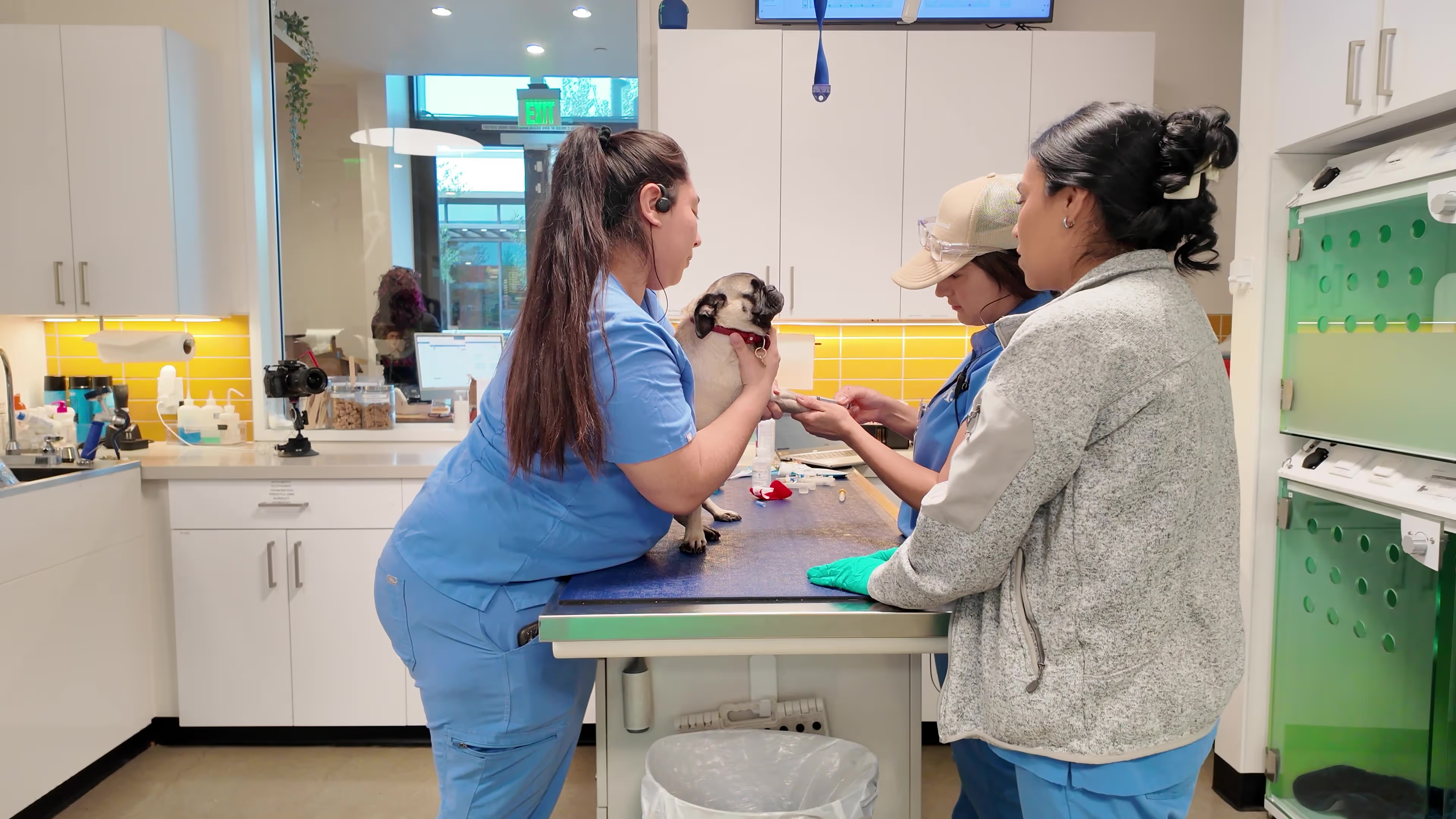
To explain why, we sat down with Dr. Christie Long, Chief Medical Officer at Modern Animal. She walks through what leptospirosis is, how it spreads, why every dog should be vaccinated, what the schedule looks like, and what to expect after the shot.
What is leptospirosis, and how do dogs get it?
Leptospirosis is a bacterial infection spread through the urine of infected animals, most often wildlife. Dogs pick it up from contaminated water, soil, or surfaces, and the bacteria can attack the kidneys, liver, or both. Without treatment, it can be fatal.
"Leptospirosis is a serious bacterial disease that's transmitted through the urine of wildlife or through infected dogs," Dr. Long said.
Where the bacteria live. The bacteria, called Leptospira, are shed in the urine of infected animals and survive for weeks to months in standing water, wet soil, and mud, especially in warm conditions. Rodents, raccoons, skunks, opossums, deer, and livestock are common carriers, and rats in particular make leptospirosis a real risk in cities, not just rural areas. An infected dog can also shed the bacteria and expose other dogs.
How infection happens. Dogs are usually exposed when they drink from puddles, ponds, or streams, walk through wet ground, or sniff and lick areas where wildlife has urinated. The bacteria enter through the mucous membranes of the mouth, nose, and eyes, or through small cuts and scrapes on the skin. Swimming and wading raise the risk, but so does a backyard that raccoons or rodents pass through at night. This is why lifestyle alone is not a reliable way to judge whether a dog is at risk.
Why it matters for people. "Leptospirosis is what we consider a zoonotic disease, meaning that it can be transmitted from animals to people," Dr. Long explains. "So a dog that's infected with leptospirosis could theoretically pass that disease onto its human family." In people, the infection can cause flu-like illness and, in severe cases, kidney or liver damage. Protecting your dog protects your household as well.
What are the symptoms of leptospirosis in dogs?
Early signs are vague: fever, lethargy, loss of appetite, and vomiting. As the infection progresses, dogs may drink and urinate more, stop urinating altogether, develop yellow gums or eyes, or show muscle pain and stiffness. Because the early signs look like many other illnesses, leptospirosis is easy to miss without testing.
Why the illness varies. "There are actually many different strains of leptospirosis, and those are called serovars," Dr. Long said. "Different types of wildlife can carry different strains of leptospirosis, and consequentially, different strains of leptospirosis produce different kinds of illness in dogs that it infects. So some dogs may have liver problems. Some dogs may have kidney problems." Some dogs develop bleeding disorders or lung involvement as well. "Bottom line, it's a serious disease that can make them very sick," she added. "And without detection and treatment it can be fatal."
Diagnosis and treatment. If your vet suspects leptospirosis, blood and urine tests can detect the bacteria or your dog's antibody response, and blood work shows whether the kidneys and liver are affected. Treatment is antibiotics, usually doxycycline, along with supportive care such as IV fluids, and dogs with kidney or liver failure often need hospitalization. Dogs treated early tend to do well; those diagnosed late may be left with lasting kidney damage or may not survive. Infected dogs can shed bacteria in their urine during treatment, so your vet will talk through precautions for the household.
When to be seen. A dog with fever, vomiting, and lethargy, especially after time near water or wildlife, should be seen promptly rather than watched for a few days. Book an appointment if you notice these signs, and if you are unsure whether what you are seeing warrants a visit, Modern Animal All Access and Essential members can reach our team anytime through 24/7 Virtual Care.
Why is the leptospirosis vaccine recommended for all dogs?
Because the disease is serious, it spreads through wildlife that lives everywhere, and it can infect people. Unlike vaccines chosen by lifestyle, the leptospirosis vaccine is part of the standard plan for every dog at Modern Animal.
"Vaccination against leptospirosis is something that we recommend for all dogs," Dr. Long said. "And because we actually see outbreaks of this disease with some regularity, it's a disease that we vaccinate all dogs against."
Not just an outdoor-dog problem. Historically, leptospirosis was thought of as a risk mainly for hunting dogs and dogs in rural areas. That picture has changed. Rodents and urban wildlife carry the bacteria through city neighborhoods and suburban yards, and outbreaks have occurred in densely populated areas. A small dog that only walks on sidewalks can still drink from a puddle or sniff a spot where a rat urinated. The 2024 canine vaccination guidelines from the American Animal Hospital Association now classify leptospirosis as a core vaccine for all dogs, reflecting that shift.
How it fits with other vaccines. Rabies, distemper, parvovirus, and adenovirus are the long-standing core vaccines, covered in our guide to core vaccines for dogs. Leptospirosis now sits alongside them. Lifestyle vaccines such as Bordetella and canine influenza are recommended based on how much contact your dog has with other dogs. Your vet will lay out the full plan at your dog's wellness visit.
Where Modern Animal cares for dogs. Our clinics span California, Texas, Colorado, and Arizona, and leptospirosis is diagnosed in all of these regions. Wet seasons, flooding, and warm weather increase exposure, but the bacteria can be present year-round wherever wildlife is.
How does the leptospirosis vaccine work?
The vaccine exposes your dog's immune system to inactivated components of the most common Leptospira serovars, so the body can recognize and fight the bacteria on real exposure. It does not contain live bacteria and cannot cause leptospirosis.
What it covers. Because there are many serovars, the vaccine is designed to cover the ones most often responsible for illness in dogs. Current vaccines used in the United States protect against four serovars. As Dr. Long noted, different wildlife carry different strains, and the four-way vaccine is built around the strains dogs encounter most. Protection against strains outside the vaccine is not guaranteed, which is one reason vaccination and sensible precautions, such as discouraging your dog from drinking standing water, go together.
How long protection lasts. Immunity from the leptospirosis vaccine is shorter-lived than immunity from some core vaccines. After the initial two-dose series, protection lasts about a year, which is why the vaccine is boostered annually rather than every three years like rabies or distemper.
What it does not do. The vaccine reduces the risk of infection and the severity of illness if infection occurs, but no vaccine is perfect. A vaccinated dog with fever and lethargy still deserves a prompt visit. The vaccine also does not treat an existing infection.
What does the leptospirosis vaccine schedule look like?
Two doses to start, three weeks apart, then one dose every year. That is the whole schedule, whether your dog is a puppy or an adult receiving the vaccine for the first time.
"When we start giving the leptospirosis vaccine for the first time, we're going to do one vaccination, and then in three weeks, we're going to see that patient back to booster the vaccine," Dr. Long said. "After that point, it's done every year."
Puppies. Puppies can typically begin the leptospirosis series at around 12 weeks of age, often alongside their core vaccine visits, with the second dose three weeks later. Full protection is not in place until after the second dose, so puppies should avoid puddles, ponds, and areas with heavy wildlife traffic until the series is complete.
Adult dogs starting for the first time. An adult dog that has never had the vaccine, or whose last dose was long enough ago that the series has lapsed, restarts with two doses three weeks apart. A single dose after a long gap is not enough to rebuild protection, so if you miss the second appointment, ask your vet whether the series needs to be restarted.
Staying current. Once the series is complete, the annual wellness visit is the natural time to renew it. If your dog's booster is a little overdue, a single dose is usually enough to bring them current; if it is well past due, your vet may recommend restarting the series. Many boarding facilities, daycares, and groomers ask for proof of leptospirosis vaccination, sometimes alongside the Bordetella vaccine.
Keeping records handy. "Just like all vaccines and your dog's complete health record, it's going to be present in the Modern Animal app for you to download and share with partners like dog daycares, dog parks, or your groomer," Dr. Long said. That saves a phone call to the clinic when a facility asks for records at check-in.
What should I expect after the shot?
Most dogs feel fine. The most common side effect is mild soreness at the injection site for about a day, and serious reactions are rare with the current vaccine.
"The leptospirosis vaccine is usually pretty well tolerated," Dr. Long said. "However, it can produce some soreness where the injection is given. So it's not uncommon to see your dog be a little bit tender in that left rear leg where we give the vaccine for maybe a day after the vaccination, but after that they're protected for a full year."
Common side effects. Along with tenderness at the injection site, some dogs are a little tired or eat less for a day. A small, firm lump under the skin where the vaccine was given can appear and usually resolves within a few weeks. These are signs the immune system is responding and do not need treatment.
About the older reaction stories. "In the early part of the 21st century, we did see a lot of reactions to the leptospirosis vaccine," Dr. Long said. "So if you're googling and trying to learn about it, you may see some of those stories out there. But since that time, the vaccination has been reformulated and we actually don't see that many reactions anymore." Earlier versions of the vaccine contained more extraneous material, and reactions were reported more often in small breeds. Current vaccines are more purified, and the reaction rate is in line with other routine dog vaccines.
When to call. Facial swelling, hives, repeated vomiting, difficulty breathing, or collapse within a few hours of any vaccine are emergencies and warrant an immediate call or visit. Soreness that lasts more than a couple of days, or a dog that seems unwell beyond mild tiredness, is worth checking in about. If your dog has reacted to a vaccine in the past, tell your vet before the appointment so they can plan accordingly; Modern Animal All Access and Essential members can also raise those questions through 24/7 Virtual Care before coming in.
What does the leptospirosis vaccine cost?
Vaccine costs at Modern Animal vary depending on where you live. The leptospirosis vaccine is typically given as part of a wellness visit, and the overall cost of that visit depends on what else is recommended.
What affects the price. The type of visit is one factor, since a vaccine given during a wellness exam is billed alongside that exam while a vaccine-only visit is structured differently. Your dog's age and health history shape what else your vet recommends at the appointment, and any additional diagnostics are priced separately. Because the first-time series requires two doses, there are two visits to plan for at the start; after that, it is one dose per year.
For a full breakdown of service and test pricing at Modern Animal, visit modernanimal.com/pricing. Everything is listed transparently so you know what to expect before you come in.
The bottom line. Leptospirosis is a serious disease, but vaccination makes it a manageable one. It spreads through wildlife urine in water and soil, it can cause kidney or liver failure, and it can pass to people, which is why Dr. Long and our vets recommend the leptospirosis vaccine for dogs of every size and lifestyle. Two doses three weeks apart get your dog protected, a yearly booster keeps them that way, and the reformulated vaccine is well tolerated by most dogs.
If your dog is due for their lepto vaccine or you want to talk through their full vaccination schedule, book an appointment and we will walk through it together. For more on vaccines and preventive care, visit the Modern Animal blog.
Frequently Asked Questions
Yes, though it is much less likely. The vaccine covers the four serovars most often responsible for illness in dogs, and Dr. Long notes there are many strains carried by different wildlife. A vaccinated dog exposed to a strain outside the vaccine, or one whose booster has lapsed, can still become infected, though vaccinated dogs generally have milder illness. Keeping boosters current and discouraging your dog from drinking standing water are the best safeguards.
Yes. Dr. Long describes leptospirosis as a zoonotic disease, meaning it can be transmitted from animals to people, and an infected dog could pass it to its human family. Transmission usually happens through contact with an infected dog's urine. In people, the illness ranges from flu-like symptoms to serious kidney or liver involvement. Vaccinating your dog, avoiding contact with urine from a sick dog, and washing hands after cleanup all reduce the risk to your household.
Through contact with the urine of infected animals, usually wildlife. The bacteria survive in standing water, wet soil, and mud, and dogs are exposed by drinking from puddles or ponds, walking through wet ground, or sniffing areas where rodents, raccoons, or other wildlife have urinated. The bacteria enter through the mouth, nose, eyes, or small breaks in the skin. Infected dogs can also spread it to other dogs. Dr. Long emphasizes that it is transmitted through the urine of wildlife or infected dogs.
Once a year after the initial series. As Dr. Long explains, the first time a dog receives the vaccine it gets one dose, then a booster three weeks later, and after that it is given annually. Immunity from the leptospirosis vaccine lasts about a year, which is shorter than some core vaccines, so the annual booster matters. If a dog's booster lapses for a long stretch, your vet may recommend restarting with the two-dose series.
Yes. Dr. Long recommends it for all dogs, because leptospirosis is a serious bacterial disease that spreads through the urine of wildlife, outbreaks occur with some regularity, and the disease can pass from dogs to people. Rodents and urban wildlife carry the bacteria through city neighborhoods and suburban yards, so indoor and small-breed dogs are not exempt. The 2024 American Animal Hospital Association guidelines classify it as a core vaccine, alongside rabies, distemper, parvovirus, and adenovirus.
Mostly mild soreness. Dr. Long notes that it is not uncommon for a dog to be a little tender in the left rear leg, where the vaccine is given, for about a day. Some dogs are slightly tired or eat less for a day, and a small lump at the injection site can appear and resolve on its own. Serious reactions are rare. Older reports of frequent reactions relate to an earlier formulation; the vaccine has since been reformulated and reactions are now uncommon.